About
An architecture and urban design office with more than 25 years in Costa Rica
LDB Arquitectura designs buildings, public spaces and master plans for companies, institutions, municipalities, communities and families. It has worked on more than 250 projects, mostly in Costa Rica. It has also taken part in international competitions in Chile, Senegal and Mali.
The office is led by architect Luis Diego Barahona.
See also architecture for offices, retail and hotels in Costa Rica, or get a first figure with the cost calculator.
A way of thinking
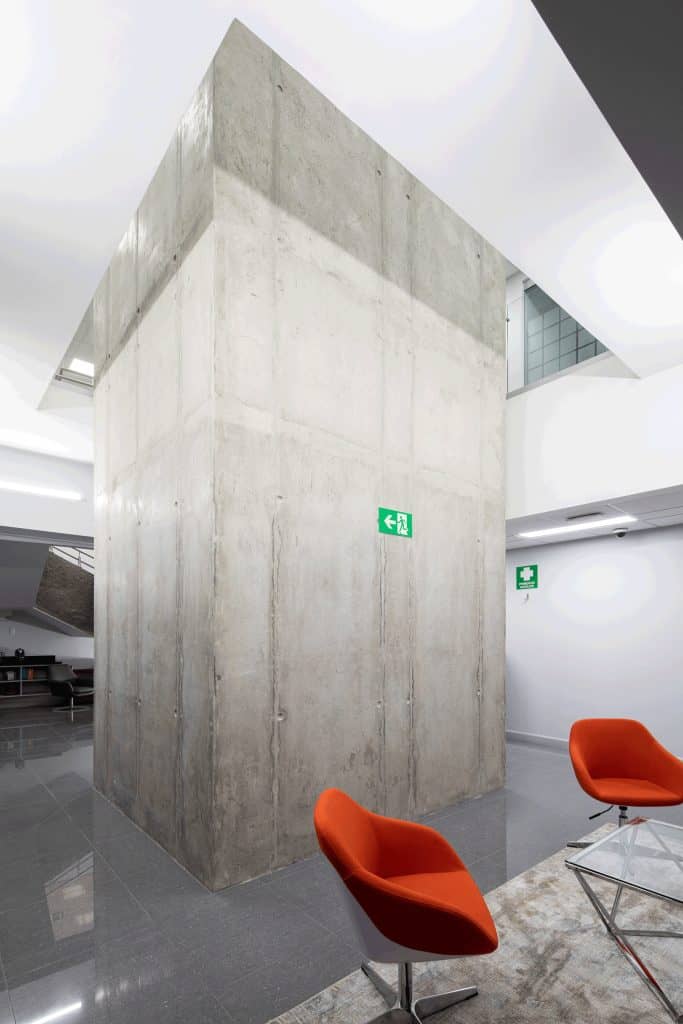
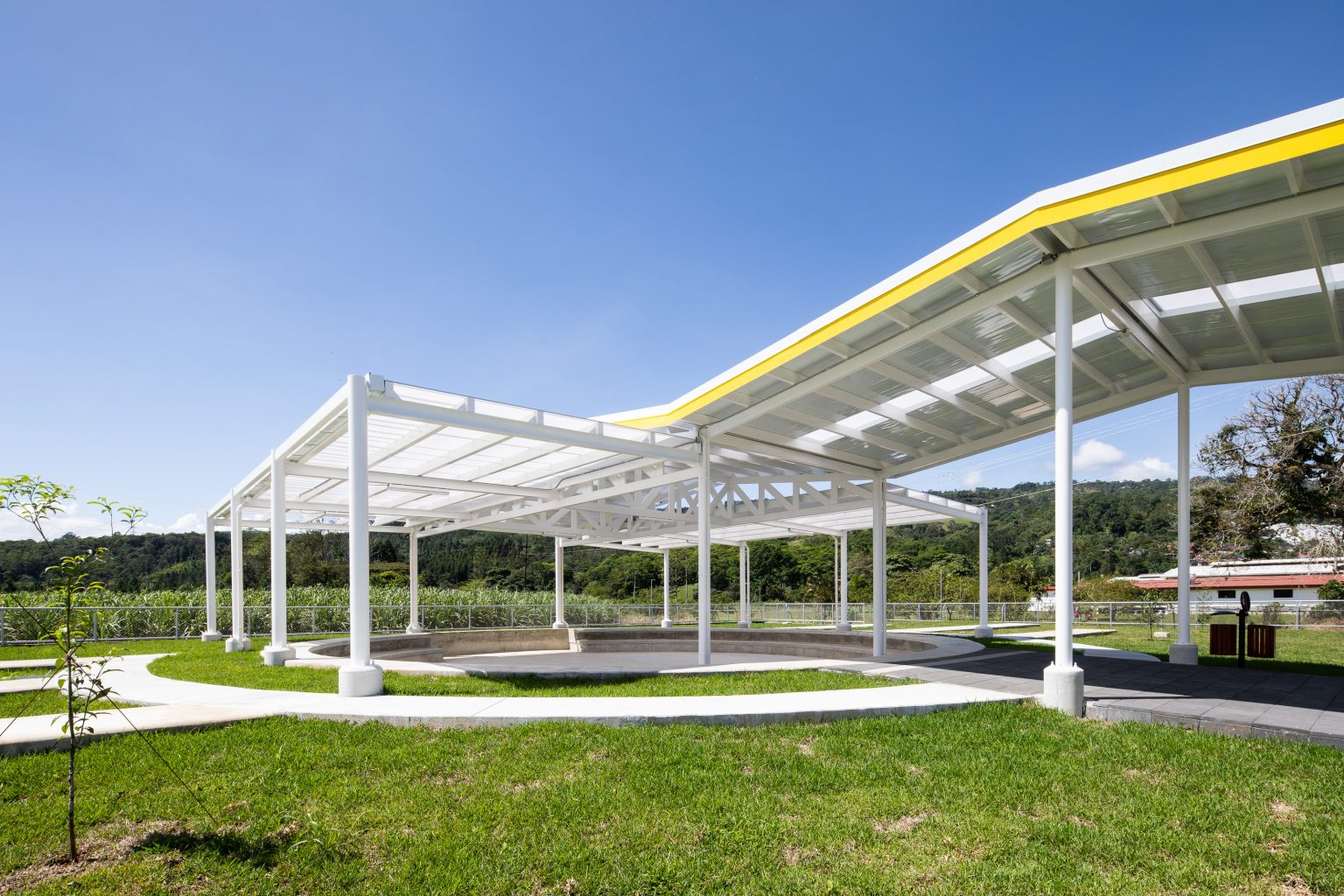
Every commission starts by reading what already exists on the site, who uses it, where the air comes in and where the water runs. From that reading we look for the right intervention, the one that improves the whole without erasing what already works.
A building shapes a street, a street shapes a neighborhood and a neighborhood changes the way a city is lived. That is why we give the territory and the detail the same attention.
«His architecture is understood as a process. Not as a finished, isolated object, but as a device that keeps extending its restructuring capacity through the city and the territory.»
Josep Maria Montaner, architect and critic, Barcelona
It all starts from one conviction. A building makes sense when people grow and develop in it and when it adds to their individual and collective lives. That is why we see every project as a quality investment that adds value, with a firm commitment to the best architecture.
The essences
They are questions the office asks of everything it designs, from a master plan to a handrail. They all share one working rule. No parameter without meaning and no metaphor without a parameter.
Create within what exists
What already works here and what is the smallest move that changes how the whole behaves?
The body first
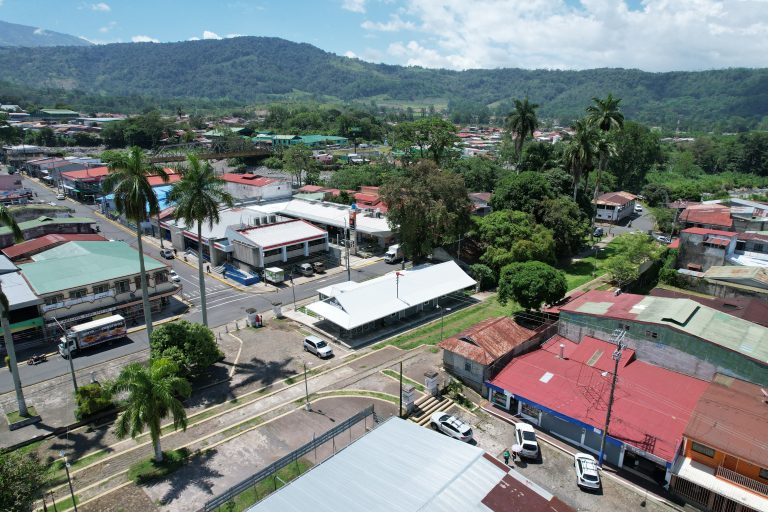
Where is the body, where is the water and what does the hand touch?
Do more with fewer elements
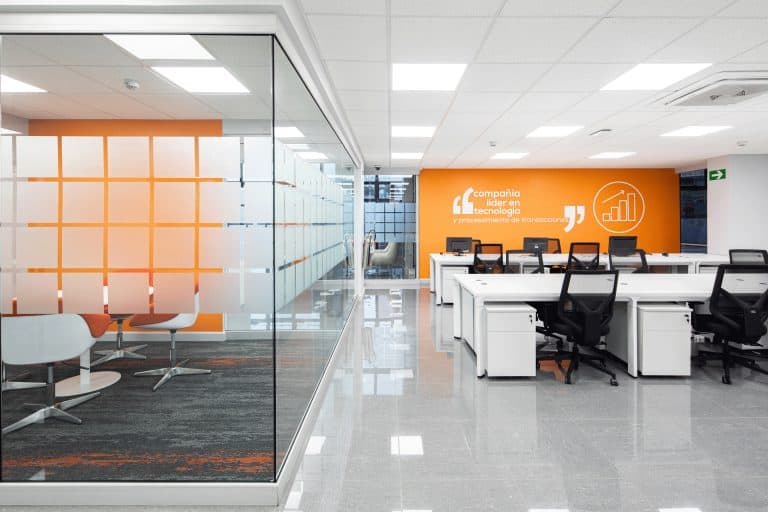
What can be removed and where does the money go, in structure, roof, height and ground?
Shared before individual
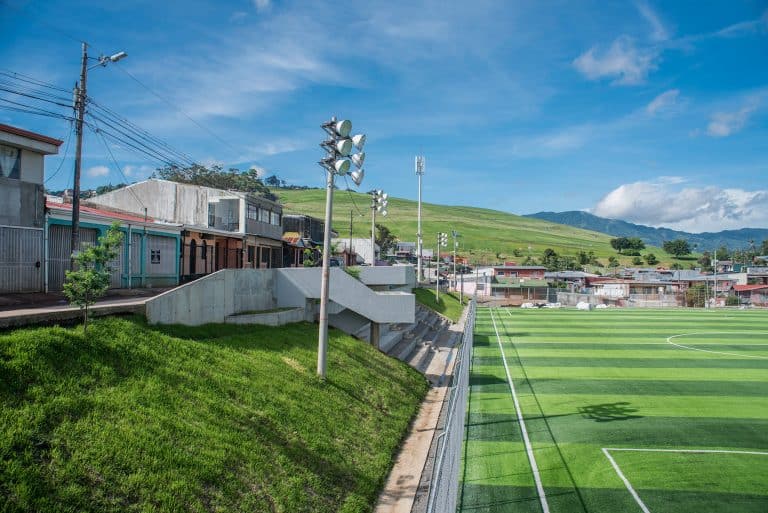
What does this place bring together, for whom and who looks after it later?
The building ten years on
What happens to this when we are no longer here and how will we know?
From territory to detail
We review the site and the building in all their dimensions before proposing. There are about a hundred topics, from ecology and soil to light, texture and scent. We return to that reading at every stage of the project.
- TerritoryEcology, climate, soil and energy of the site.
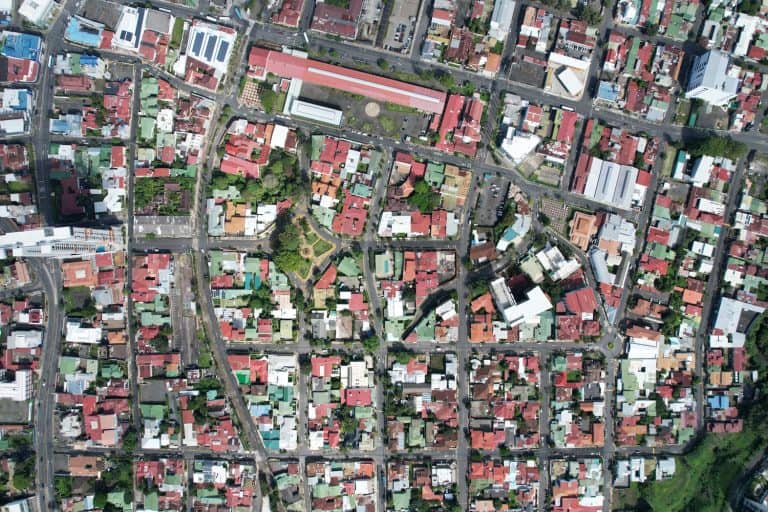
- CityMobility, land use, urban image and community.
- BuildingSpace, form and function at the service of the people who use it.
- DetailLight, color, texture and the way each material comes together.
What we cover
Design
From schematic design to construction documents and specifications. This is the stage where the essences become concrete decisions.
Site inspection
We visit the site so that what is built matches what was designed, and we solve with the construction team what only shows up on site.
Permits
We prepare and follow up the permits before the municipality and the institutions each project requires.
Costs
A line-item cost estimate from the first stage, so every design decision has a visible cost. The Cost calculator gives a first reference.
Principal
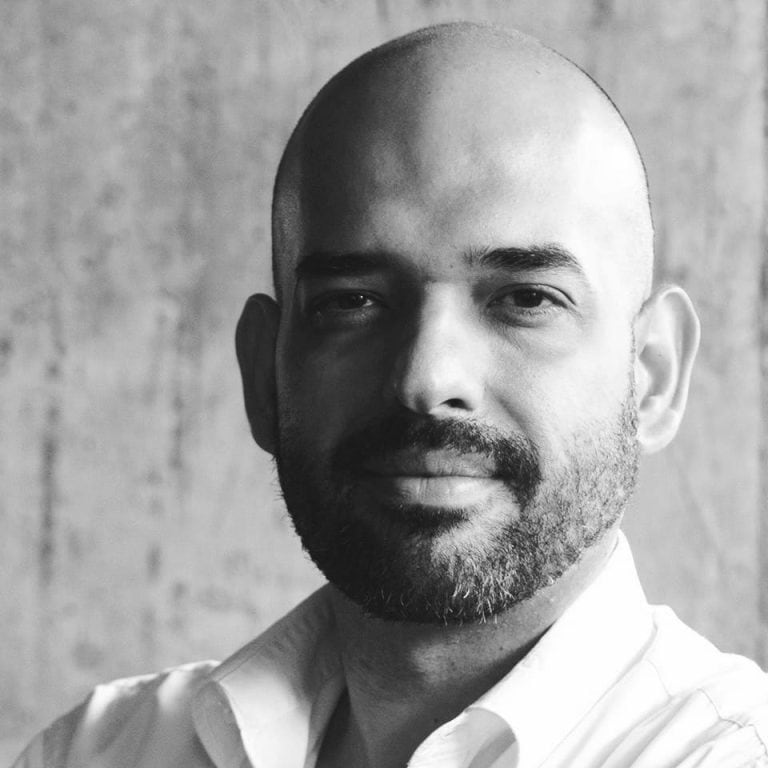
Architect Luis Diego Barahona leads the office. He studied at Universidad Veritas and earned his master’s degree at the ETSAB of the Polytechnic University of Catalonia, under the direction of Josep Maria Montaner and Zaida Muxí. He taught at Veritas and Universidad Latina, was a visiting professor at the Escola da Cidade in São Paulo and has lectured in six countries, including at the ETSAB, ESARQ in Guadalajara, the Medellín Convention Center, the TEC, ICOMOS Costa Rica and the CFIA.
His work spans buildings, public space and urban design, with clients who come back with new commissions. He conceived the Human Development Center concept, which began in Tirrases and continued in Matinilla and Turrialba. He promoted the Neighborhood Renewal Plans for Escalante and Los Yoses and conceived the Paseo Gastronómico La Luz.
He founded the publisher Líneas in 2002 and between 2003 and 2010 organized seven Líneas International Congresses at the CFIA, with guests such as Alejandro Aravena, Josep Maria Montaner, Luis Fernández-Galiano, Carlos Jiménez and Enrique Peñalosa. He directed Revista Habitar and since 2007 has written the architecture criticism page of the Áncora supplement of La Nación. He has published more than 100 articles and his work has appeared in Domus, Arquitectura Viva, Actar and media in six other countries. He represents Arquine magazine in Costa Rica, sits on the committee of Revista AAA and has been interviewed on television and radio.
He is registered with the CFIA under license A-15450 and was a member of its Urban Planning Commission. He chaired the Board of the Museum of Contemporary Art and Design from 2003 to 2006 and was part of the Ibero-American Network for the Sustainable City with UN-Habitat. He was a juror of the Costa Rica Architecture Biennial in 2020 and 2022, after speaking at three earlier editions, and in 2020 of the No Man’s Land competition by Competitions UNI in New Delhi. His work has received the Salvemos Nuestro Patrimonio award, the Urban Design and ALPU awards at the 2018 Biennial and the 2nd Bono Colectivo Competition. He was a finalist for the City to City Barcelona FAD Award.
Awards
Collaborators
Over 25 years, the office has been a shared workshop. These are the people who have collaborated on its works and projects.
- Adriana Rojas
- Agnes Sevilla
- Angie Garita
- Brenda Ortíz
- Caleb Ulloa
- Cristina Carvajal
- Daniela Salas
- Edgar Quirós
- Gearyela Víquez
- Gillio Francesa
- Gloriana Segura
- Jimena Montes
- Jorge Cisneros
- Joselyn Solórzano
- Julián Meneses
- Karina Vindas
- Laura Avilés
- Laura Jiménez
- Luis Arroyo
- Maricela Víquez
- Mauren Jiménez
- Nicole Troz
- Pamela Salas
- Rebeca Wong
- Rosa Canessa
- Selni Hernández
- Tatiana Chavarría
- Yuliana Cascante
- Zamarina Reyes
Who we work with
International organizations
UNICEF and UN-Habitat.
Companies
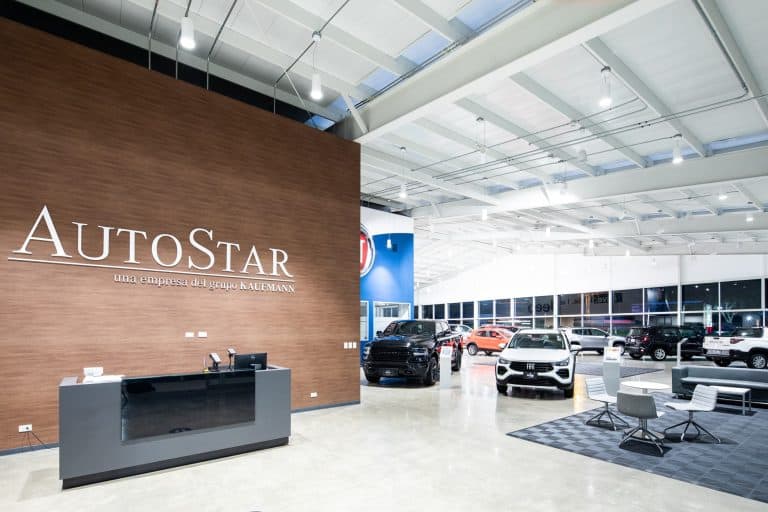
Evertec, AutoStar and Findasense.
Public sector
MIVAH and the municipalities of San José, Santa Ana, Curridabat, Moravia, Pococí and Turrialba.
Communities
Neighborhood associations of Barrio Escalante and Barrio La California.
Publications
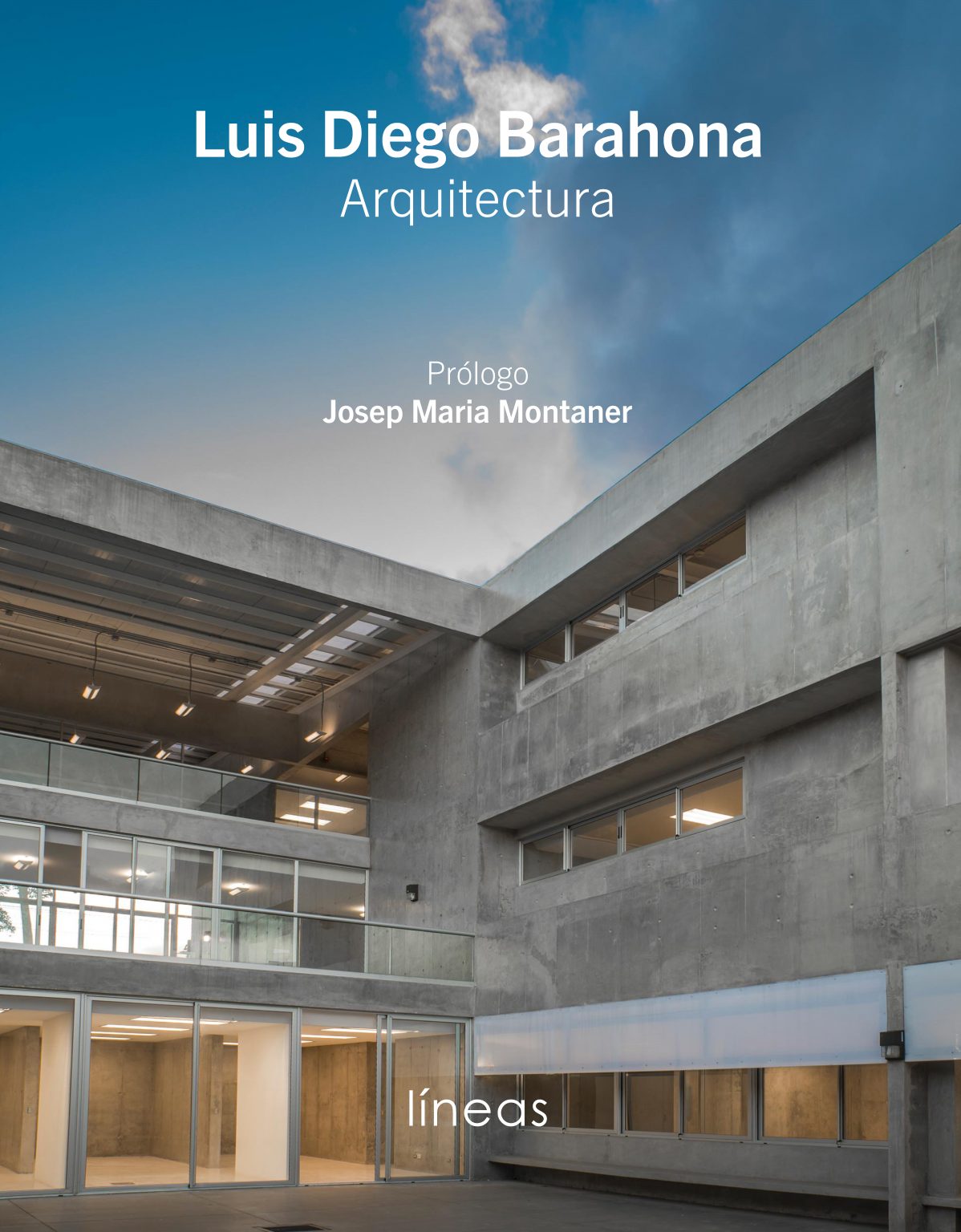
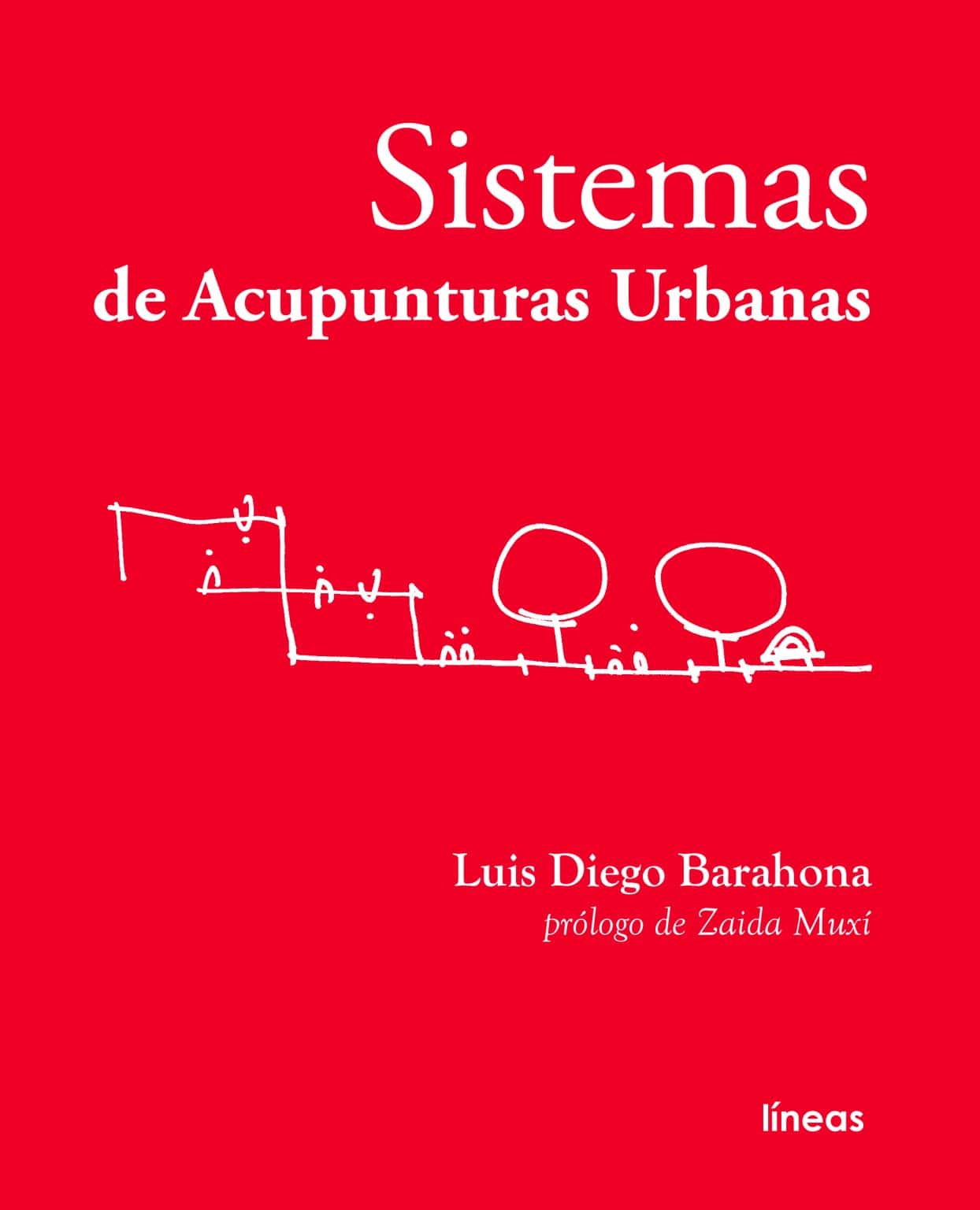
Each book has its own page, in Spanish, with samples of its content, and Sistemas de Acupunturas Urbanas can be downloaded in full. Luis Diego’s columns are in Texts and what other media have published about the office is in Press.
If you have land for a new project, a building to transform or a question about your neighborhood, write to us. Chapter 0 is where our relationship begins. In it we come to understand the place, the people who will use it and what you have in mind.